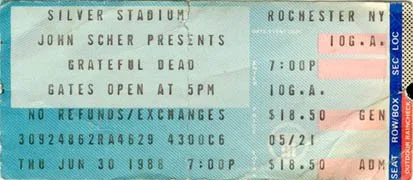
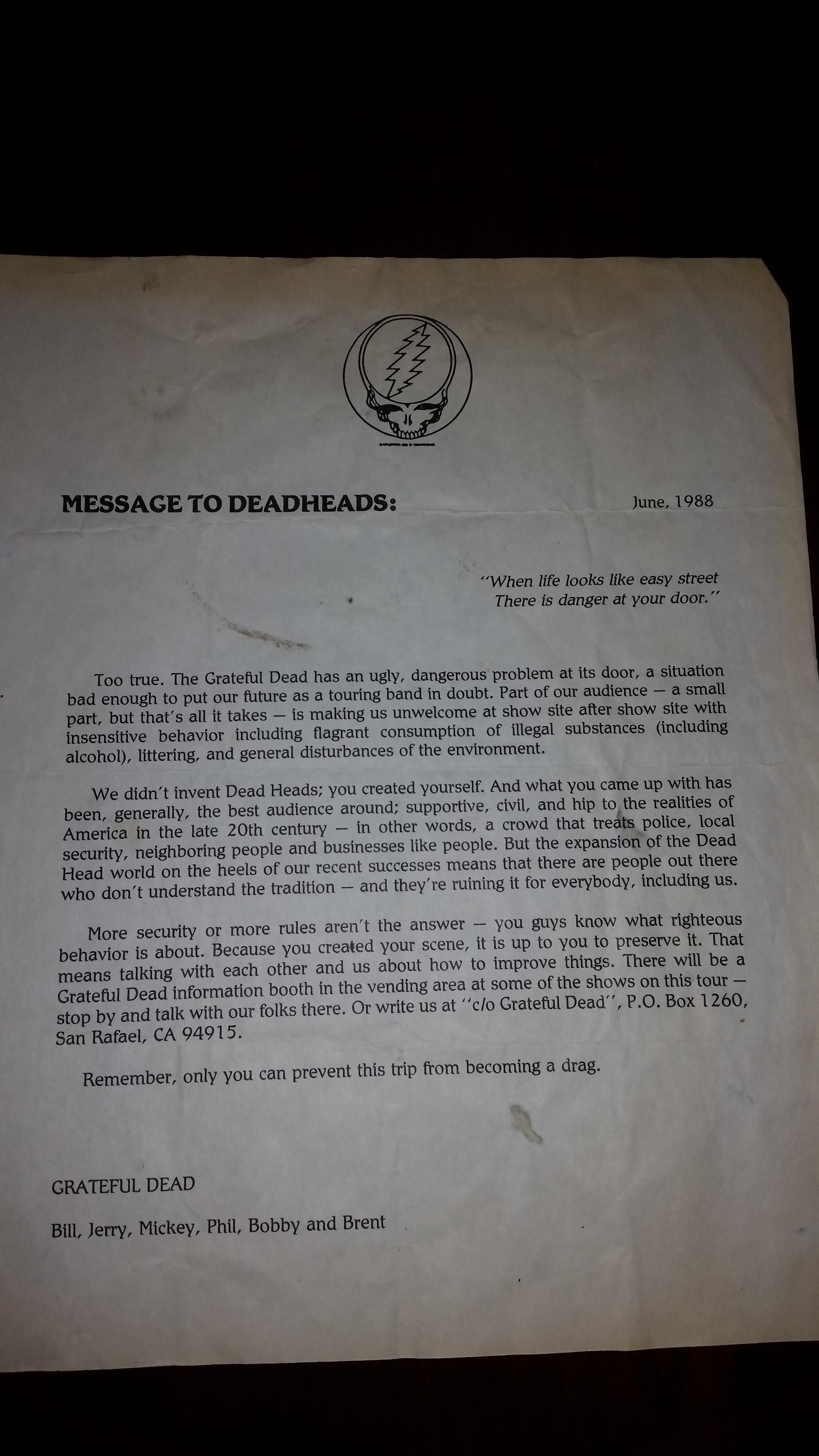
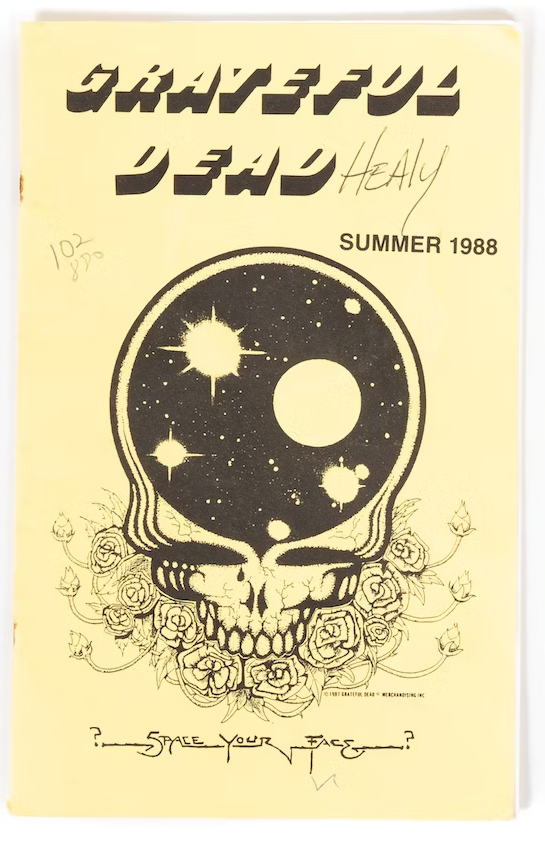
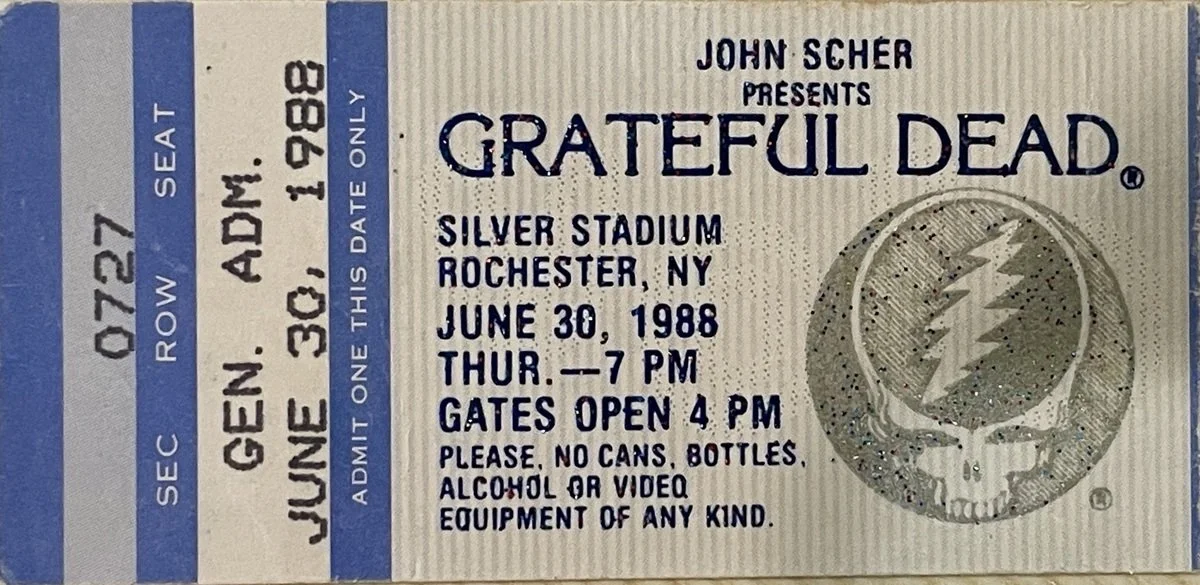
1988 - The Grateful Dead in Rochester NY
GRATEFUL Dead Rochester 1988: Precision, Improvisation,
and a Band in Full Control
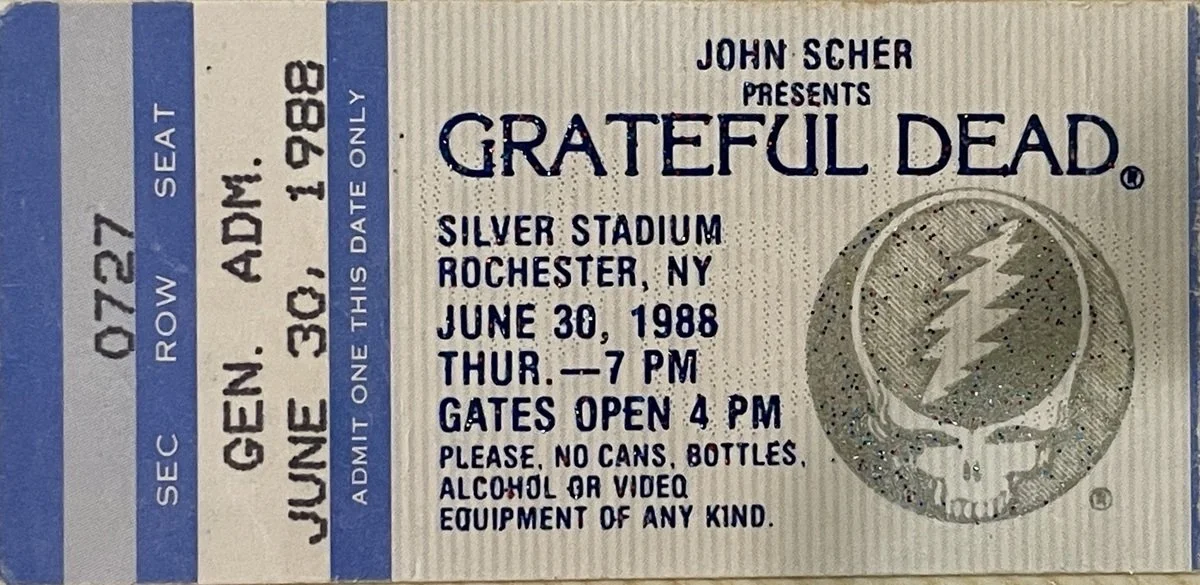
On June 30, 1988, the Grateful Dead delivered an unforgettable performance characterized by a continuously evolving musical experience.
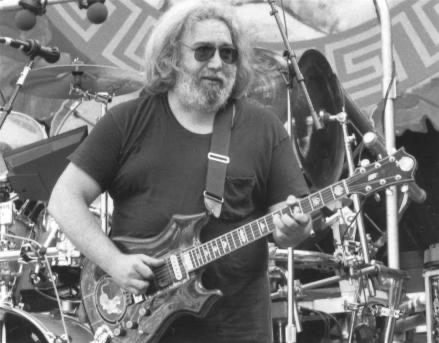
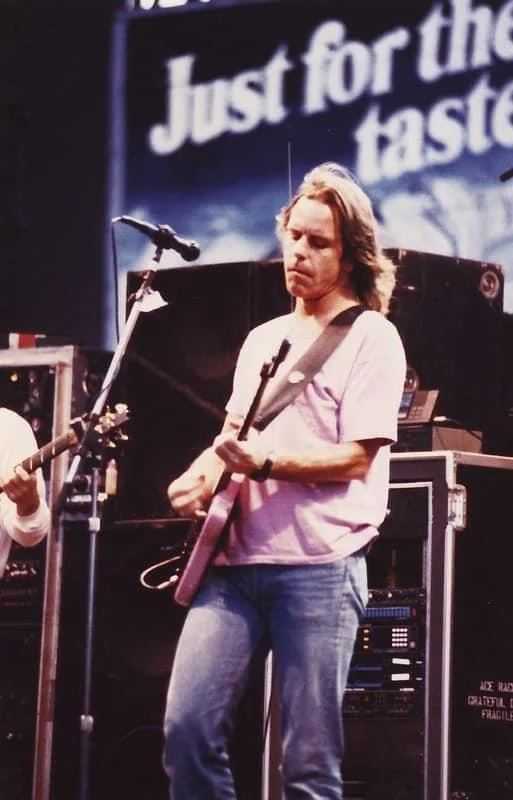
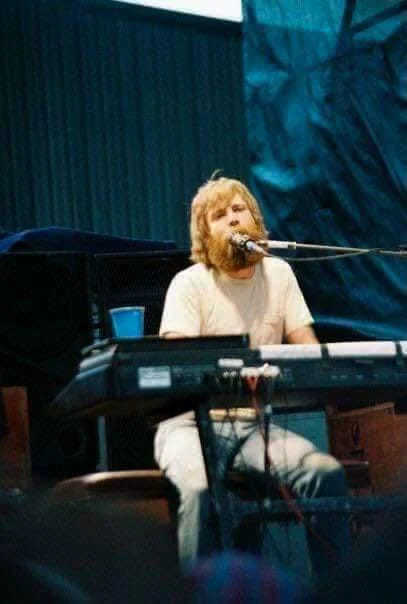
From the outset, the band exuded a sense of unity, not merely tight but also perceptive. Jerry Garcia played with clarity and purpose, shaping each phrase rather than merely pursuing it. Bob Weir filled the space with sharp, percussive rhythm work, while Phil Lesh moved freely, transforming the low end into a secondary lead voice.
The first set never forced a peak; instead, it simmered, gradually building pressure without releasing it. Each song added to the tension, creating a sense of anticipation. The second set marked a turning point, where everything truly came alive.
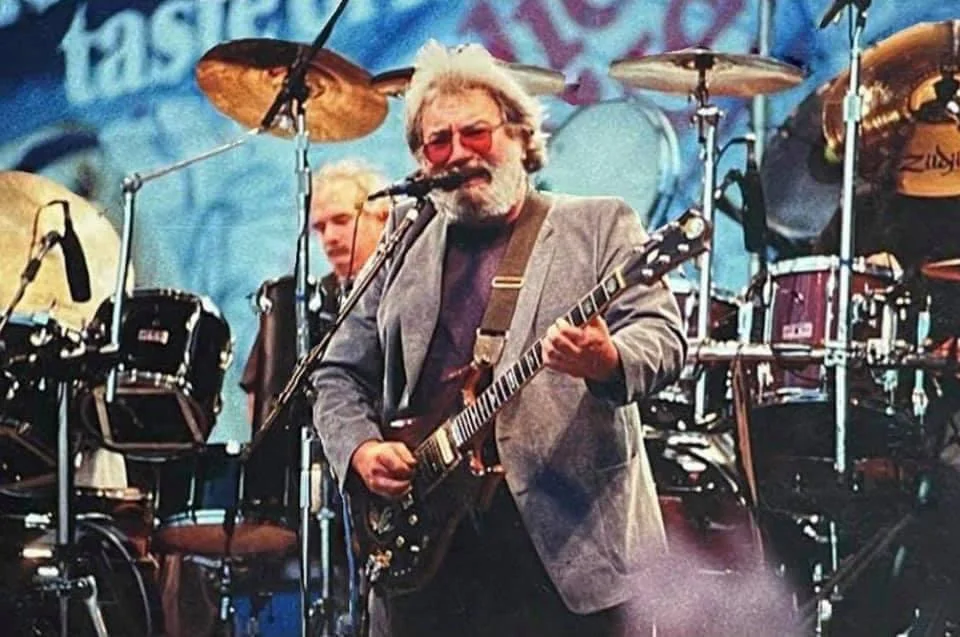
Transitions became the defining feature of the night. Songs seamlessly dissolved into improvisation and reformed without warning. The band functioned as a cohesive unit, yet each member pushed the boundaries. Garcia delved into extended, melodic runs that felt like they were unfolding for the first time. Lesh countered with lines that redirected the energy instead of supporting it. Weir wove the music together with rhythm that never remained static.
One of the most significant moments occurred when the band fully embraced the unknown. The jam stretched beyond conventional structure, hovering in a space where timing seemed suspended. There was no discernible downbeat or clear destination; instead, tension and release were being meticulously built and reshaped in real-time.And then, just as abruptly, they returned to their original form.
“This dynamic interplay defined
the entire night.”
The closing stretch carried a profound sense of weight. It was not louder or faster, but rather more intentional. It was an ending that felt earned, a culmination of everything that had transpired before it. This was not a mere greatest hits performance; it was a living, breathing set built on risk, trust, and impeccable timing. The band was fully engaged, allowing the moment to dictate the outcome.
Built for the Moment: Staging Simplicity and the Foundations of Modern Touring Design
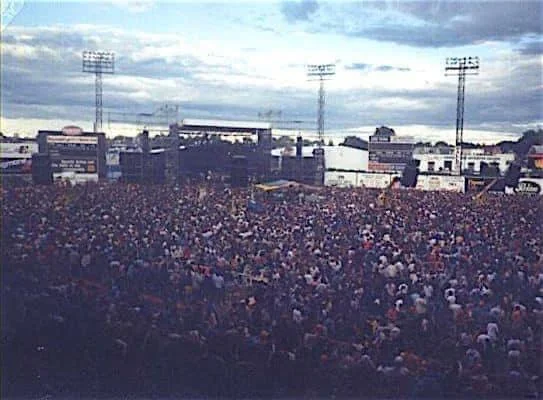
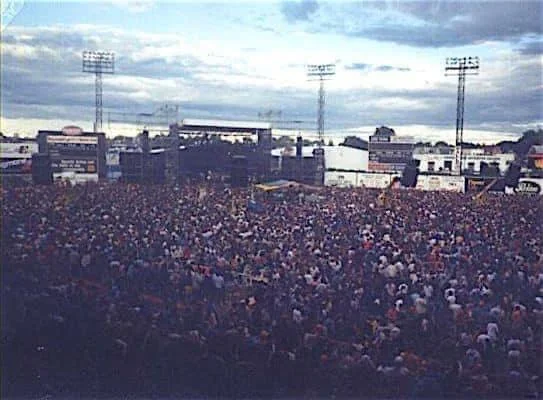
On June 30, 1988, the Grateful Dead took the stage at Silver Stadium with a production approach that still resonates with how we at Mountain Productions think about staging today. This was not a show built around spectacle for the sake of spectacle. It was built to perform.
From our perspective, the structure tells the story. The stage relied on a clean, truss supported system designed for strength, efficiency, and consistency. There were no wasted elements and no unnecessary complexity. Every component served a purpose, creating a reliable framework that could deliver in a demanding stadium environment. That is the foundation we believe in.
Audio was treated as a primary driver of the experience. In a venue of that scale, coverage is everything. The large format PA deployment ensured that every seat in the stadium received a consistent mix, maintaining clarity and impact throughout. It is the same challenge we approach on modern builds, and the same priority we solve for every time.
What stands out most to us is the efficiency of the build. A system like this would have allowed for a streamlined load in and load out process, reducing time on site while maintaining reliability. Fewer variables meant fewer failure points, and a structure that could adapt to the demands of a touring schedule. That mindset remains central to how we design and execute today.
We do not look at this stage and see something outdated. We see the early version of a philosophy that still drives our work.
Build with intention. Prioritize function. Execute at a high level.
The stage did not try to define the show. It created the conditions for the show to succeed. That is the goal every time, and it is the same standard we hold ourselves to at Mountain Productions.
A Photographic Peak
at the Past