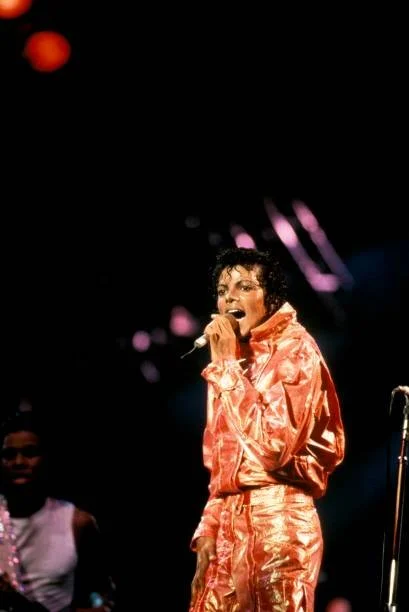
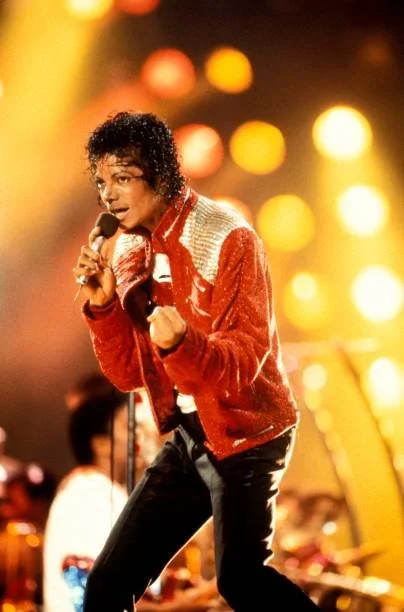
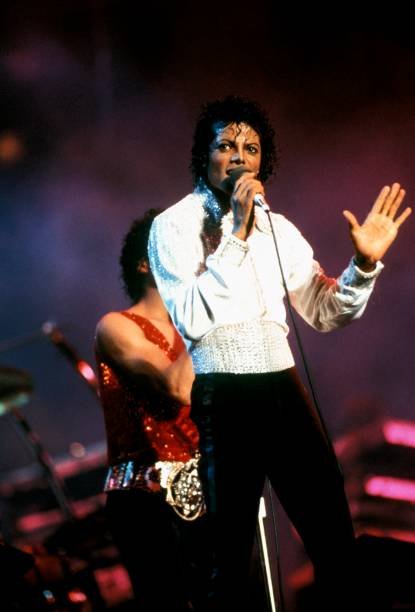
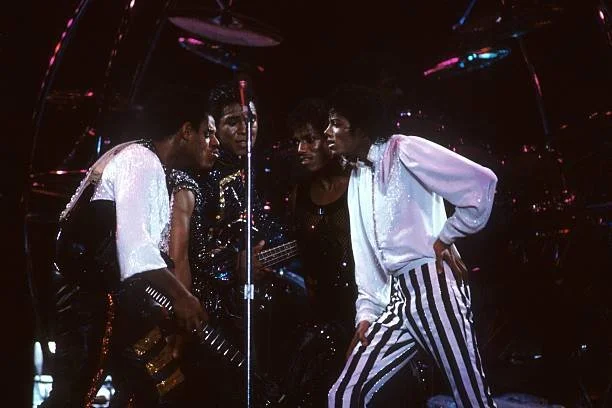
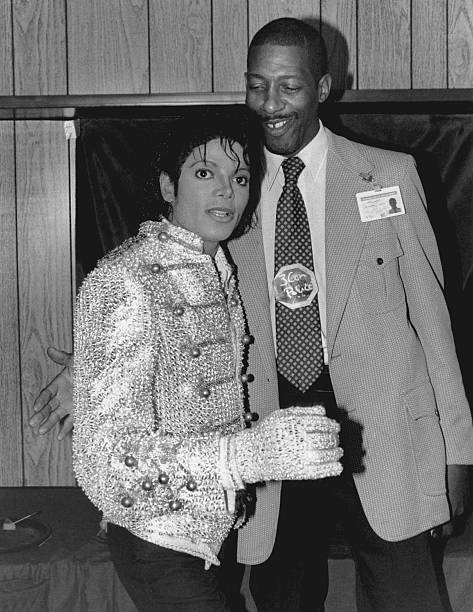
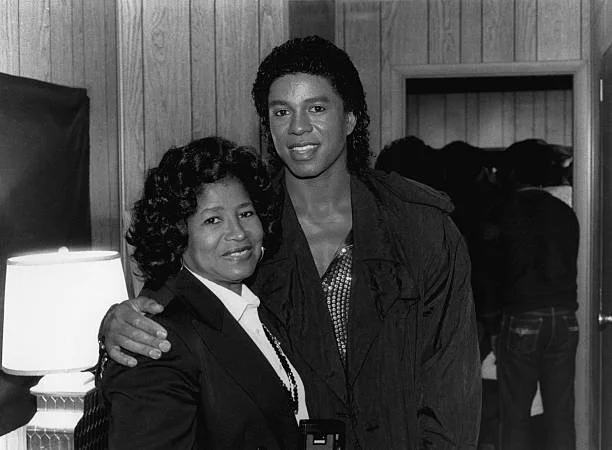
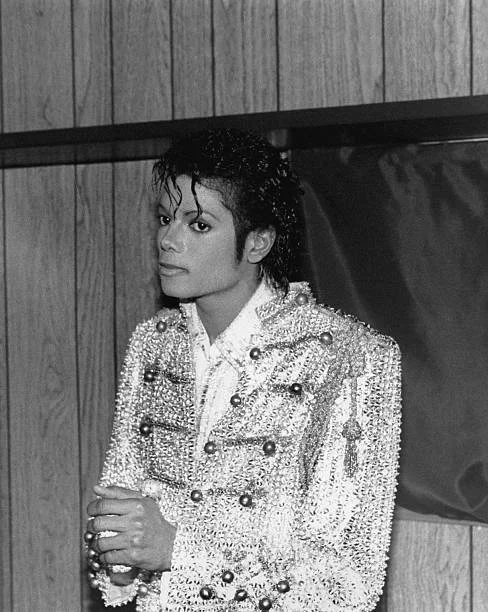
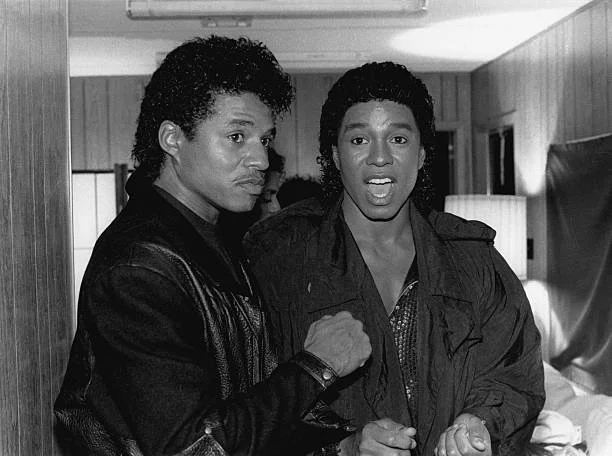
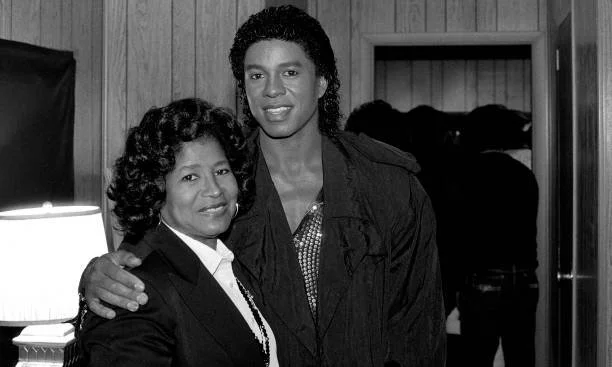
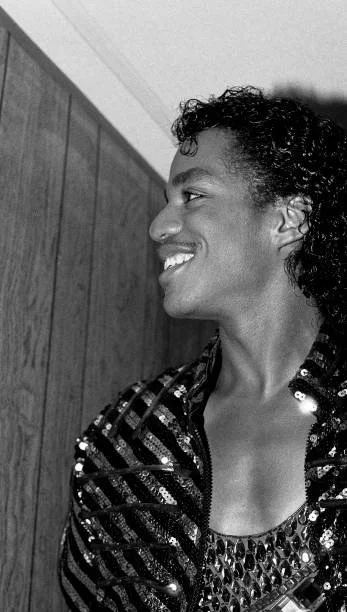
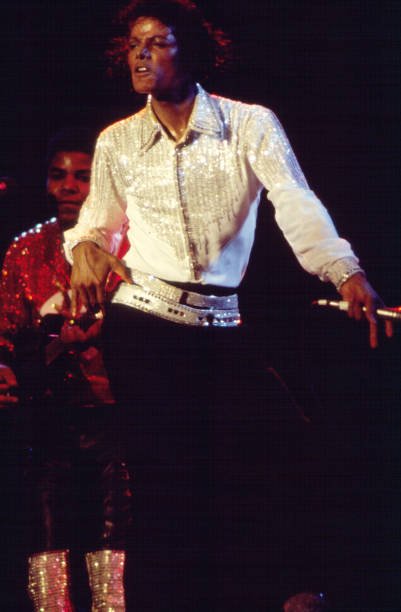
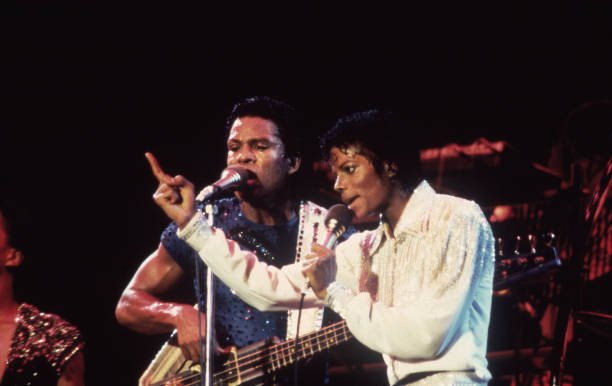
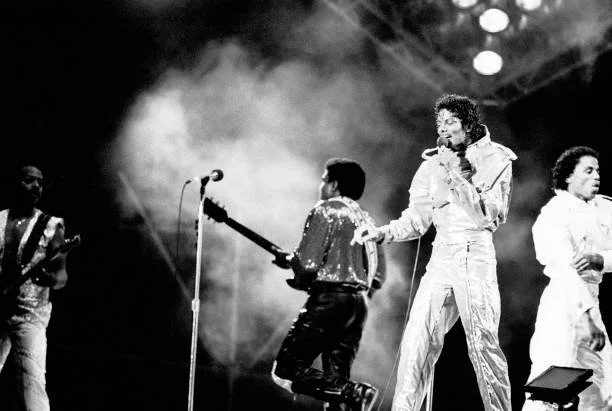
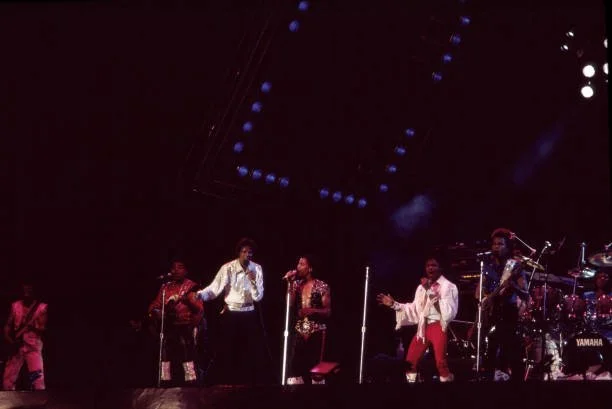
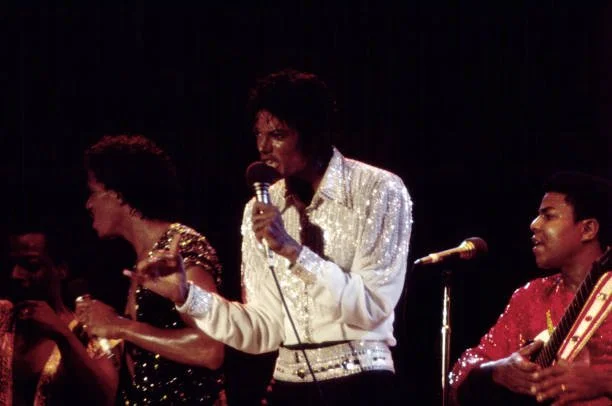
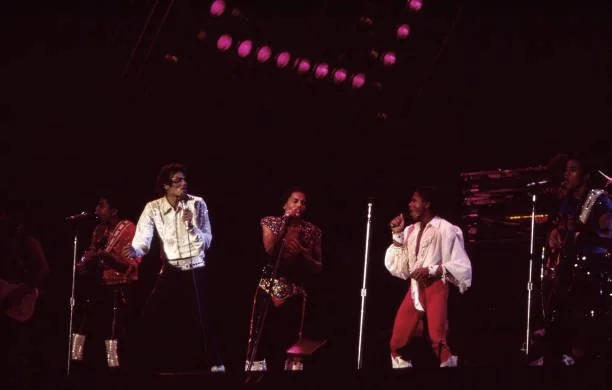
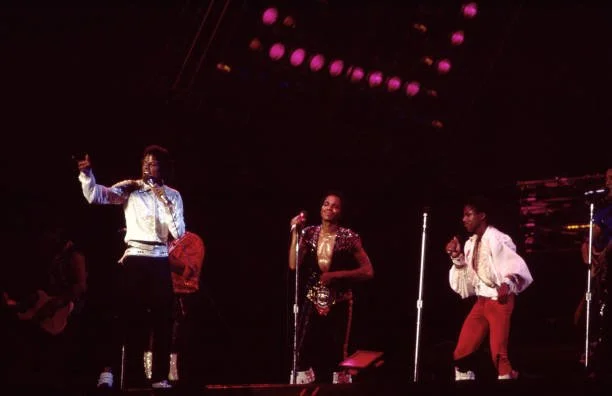
1984 - Jackson's Victory Tour
The Tour That Redefined Stadium Scale
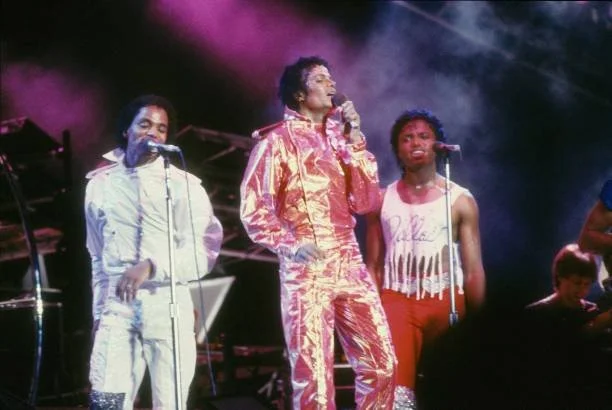
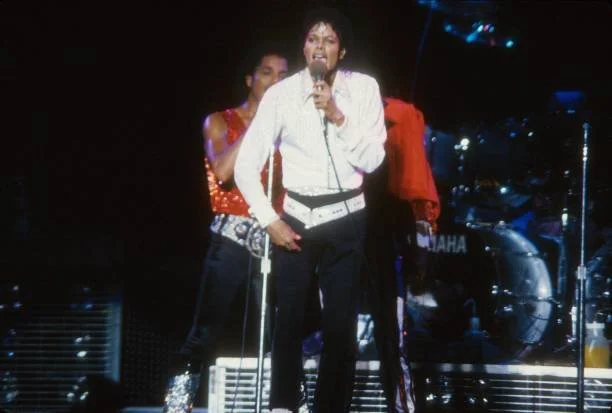
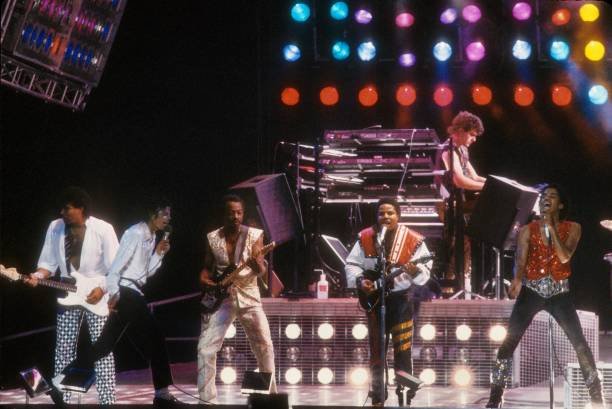
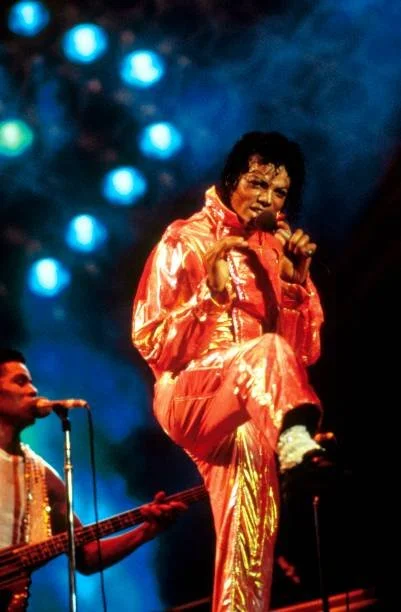
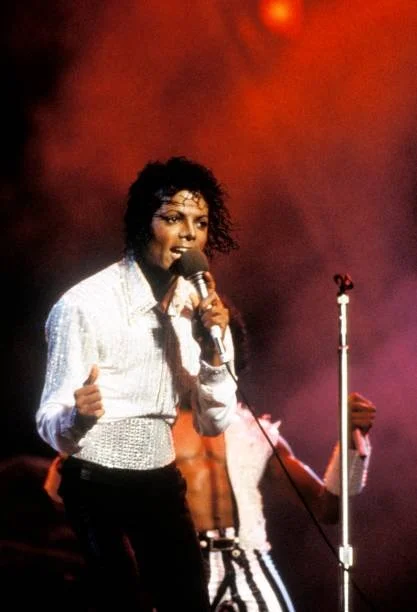
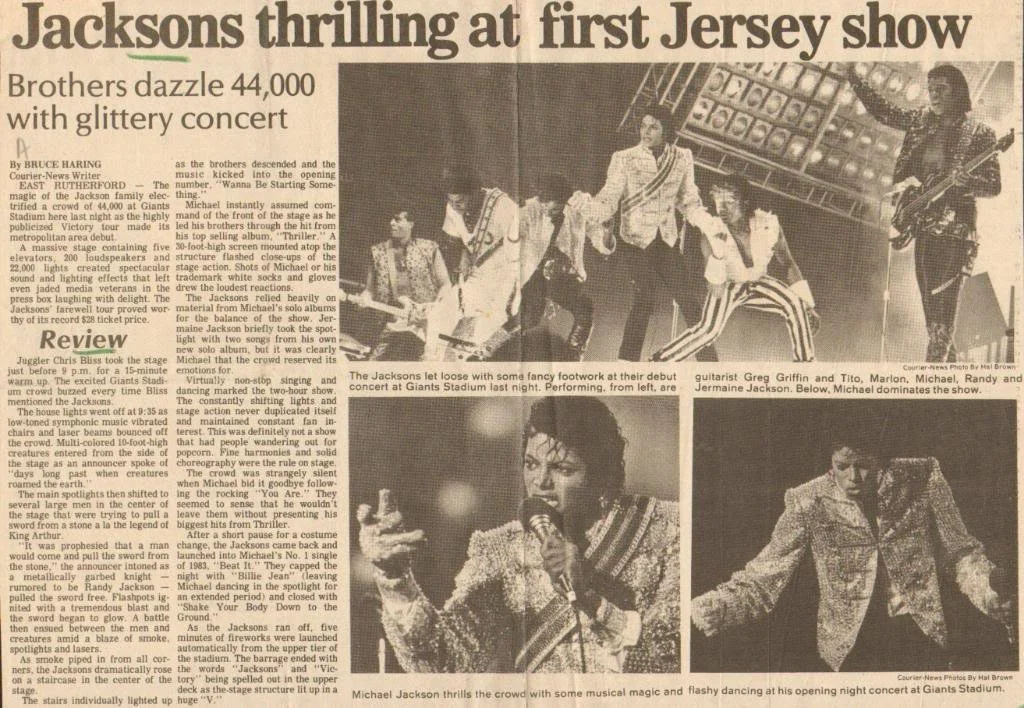
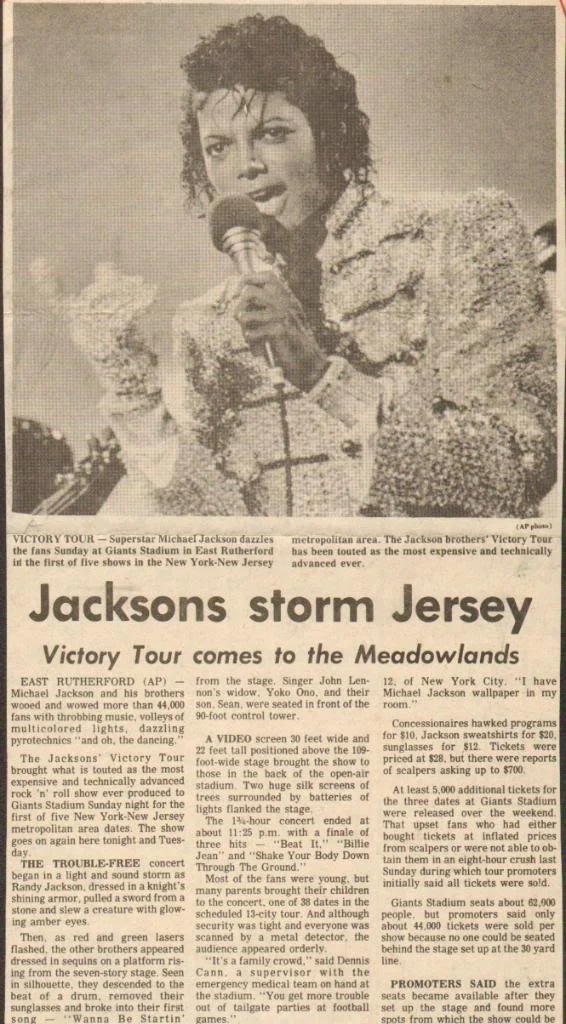
In November 1983, The Jacksons announced plans for a major reunion tour. Boxing promoter Don King quickly became involved, offering three million dollars in upfront advances. That spring, the group recorded the album Victory, timed for release shortly before the tour launched. In July 1984, amid mounting criticism of the ticket lottery system, Michael Jackson announced that he would donate all of his personal earnings from the tour to charity, including the United Negro College Fund, Camp Good Times for terminally ill children, and the T J Martell Foundation for Leukemia and Cancer Research.
At the time of the announcement, the tour had no confirmed promoter. In the spring of 1984, Chuck Sullivan, son of New England Patriots owner Billy Sullivan, traveled to Los Angeles to convince the group to select Foxboro Stadium for their Boston area shows. After helping his father regain control of the Patriots in the nineteen seventies, Sullivan had begun promoting concerts at the stadium as a revenue source.
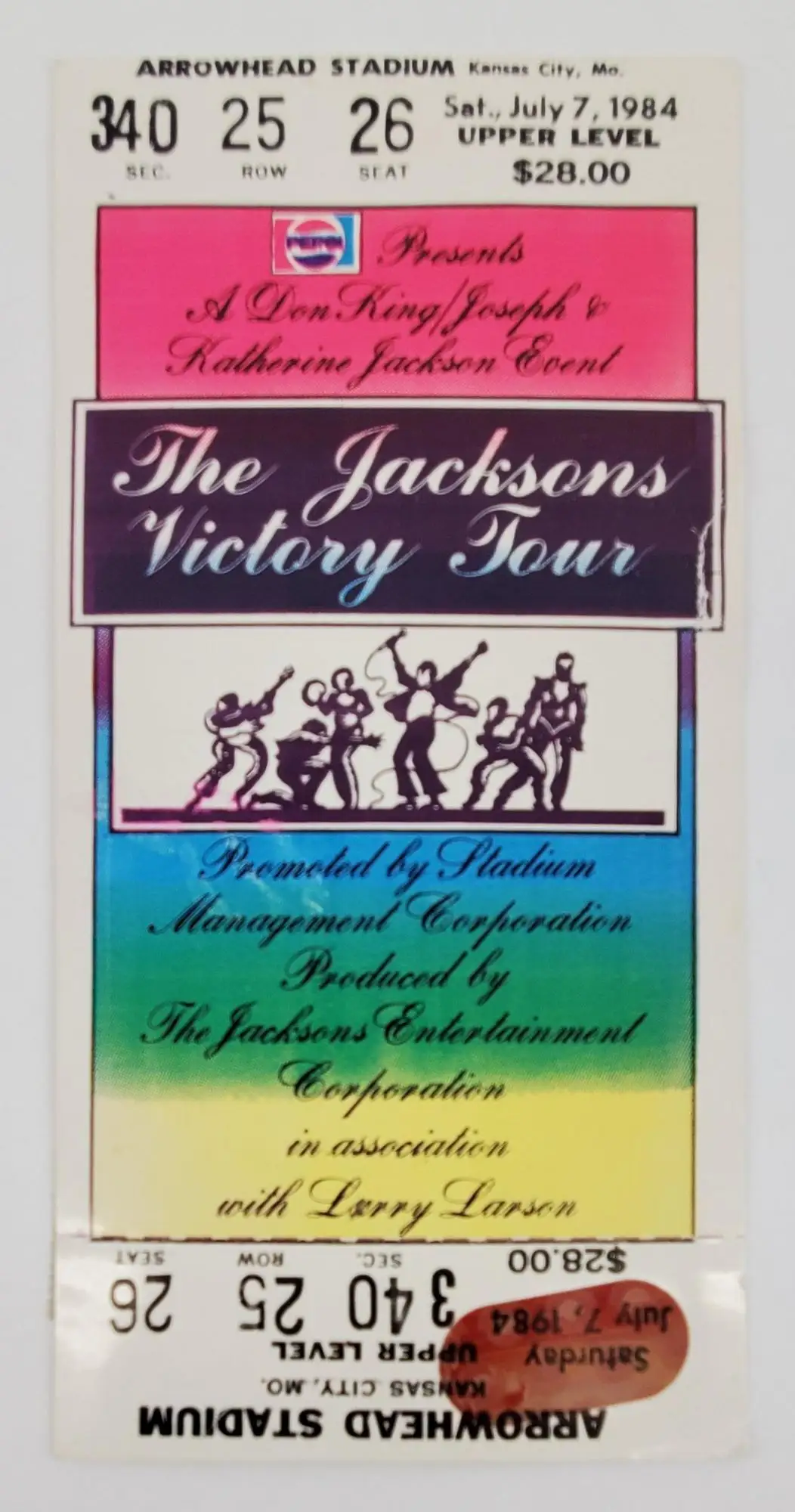
During a meeting with Epic Records executive Frank DiLeo, Sullivan learned that negotiations with the original promoter had collapsed. He returned to Boston and assembled financing that allowed the Patriots subsidiary Stadium Management Corporation to promote the entire tour. An early partnership with San Francisco 49ers owner Eddie DeBartolo fell apart over concerns about risk, leaving Sullivan to proceed alone. By late April, Stadium Management Corporation was confirmed as promoter, despite never having handled a tour of this scale. The Victory Tour was projected to gross between seventy and eighty million dollars.
The deal heavily favored The Jacksons. They were guaranteed more than eighty three percent of gross potential ticket revenue, effectively being paid as if every show sold out. Sullivan also guaranteed a thirty six point six million dollar advance, using Foxboro Stadium as collateral for a twelve and a half million dollar loan to fund the first payment.
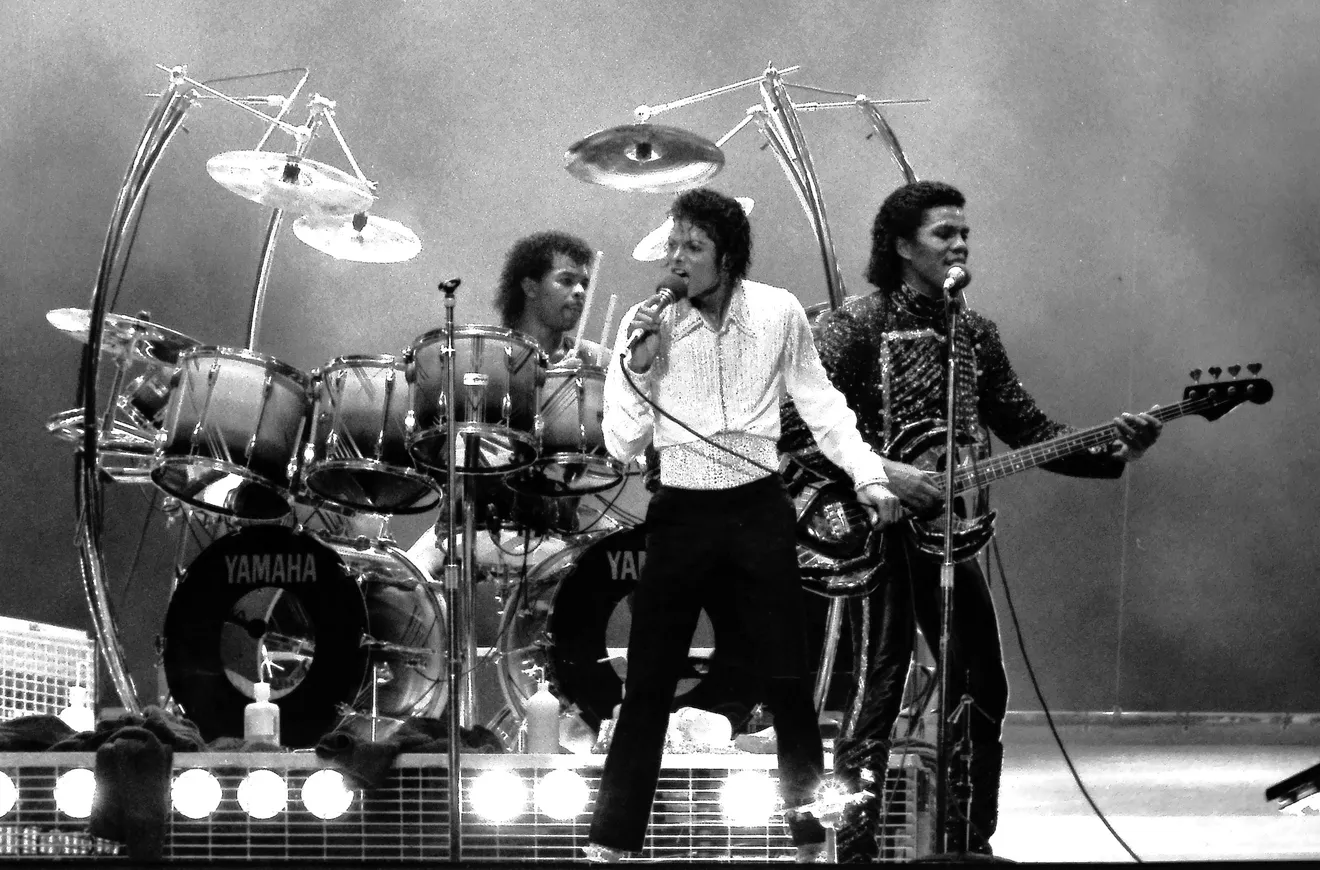
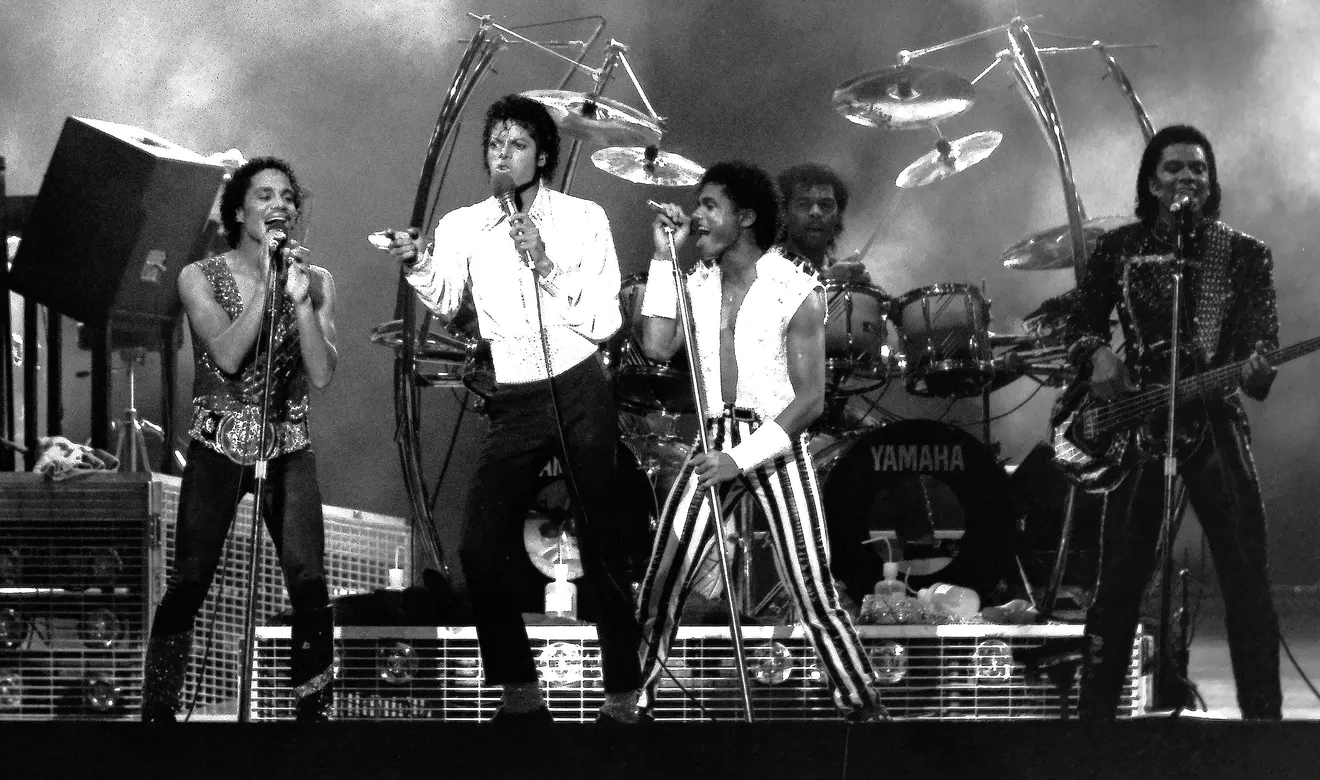
Mountain Productions & the Victory Tour.
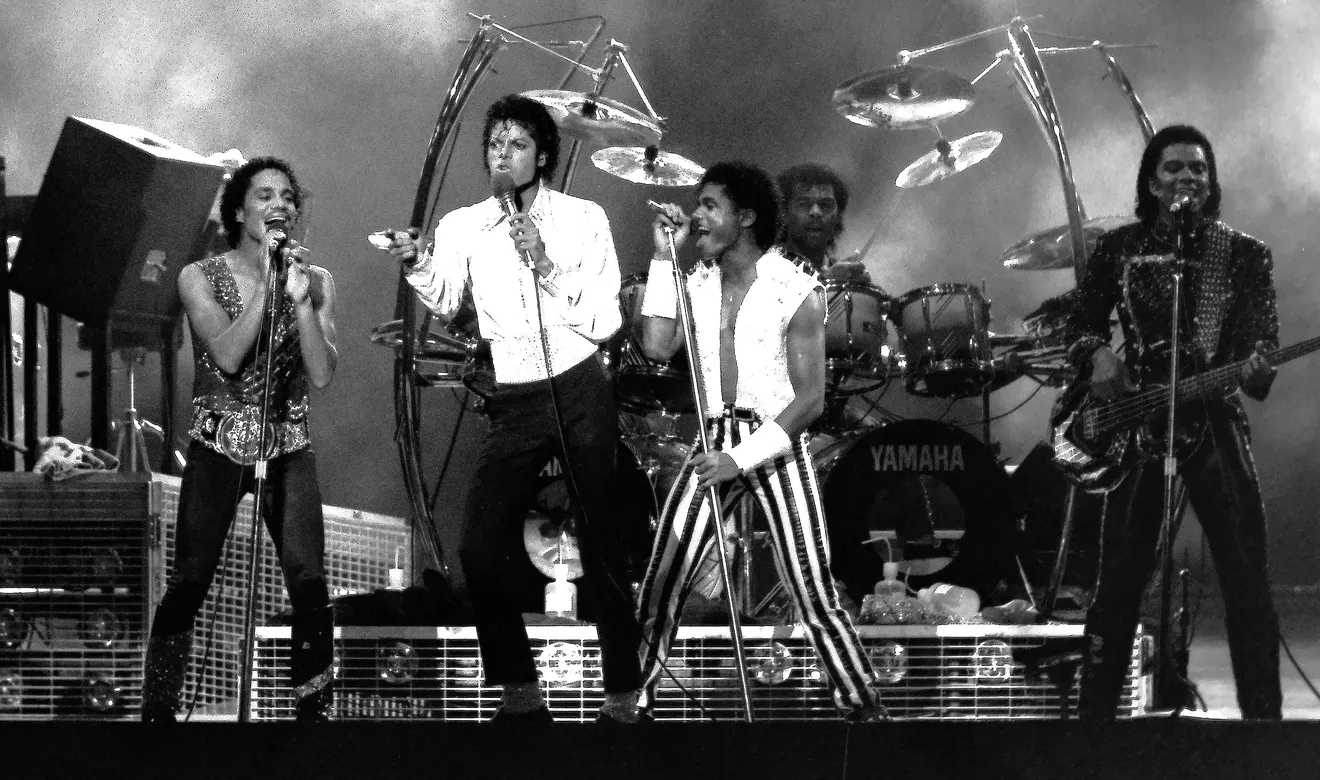
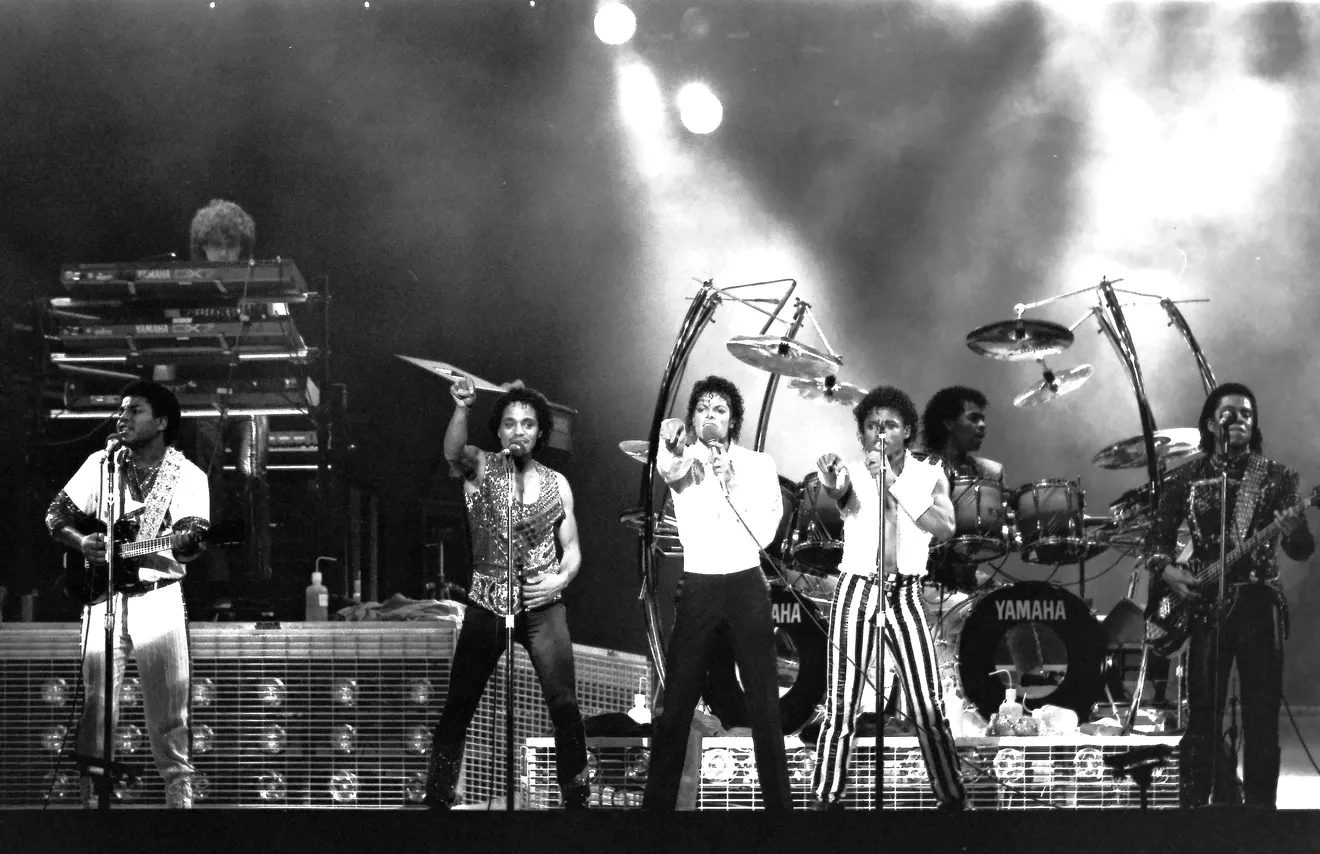
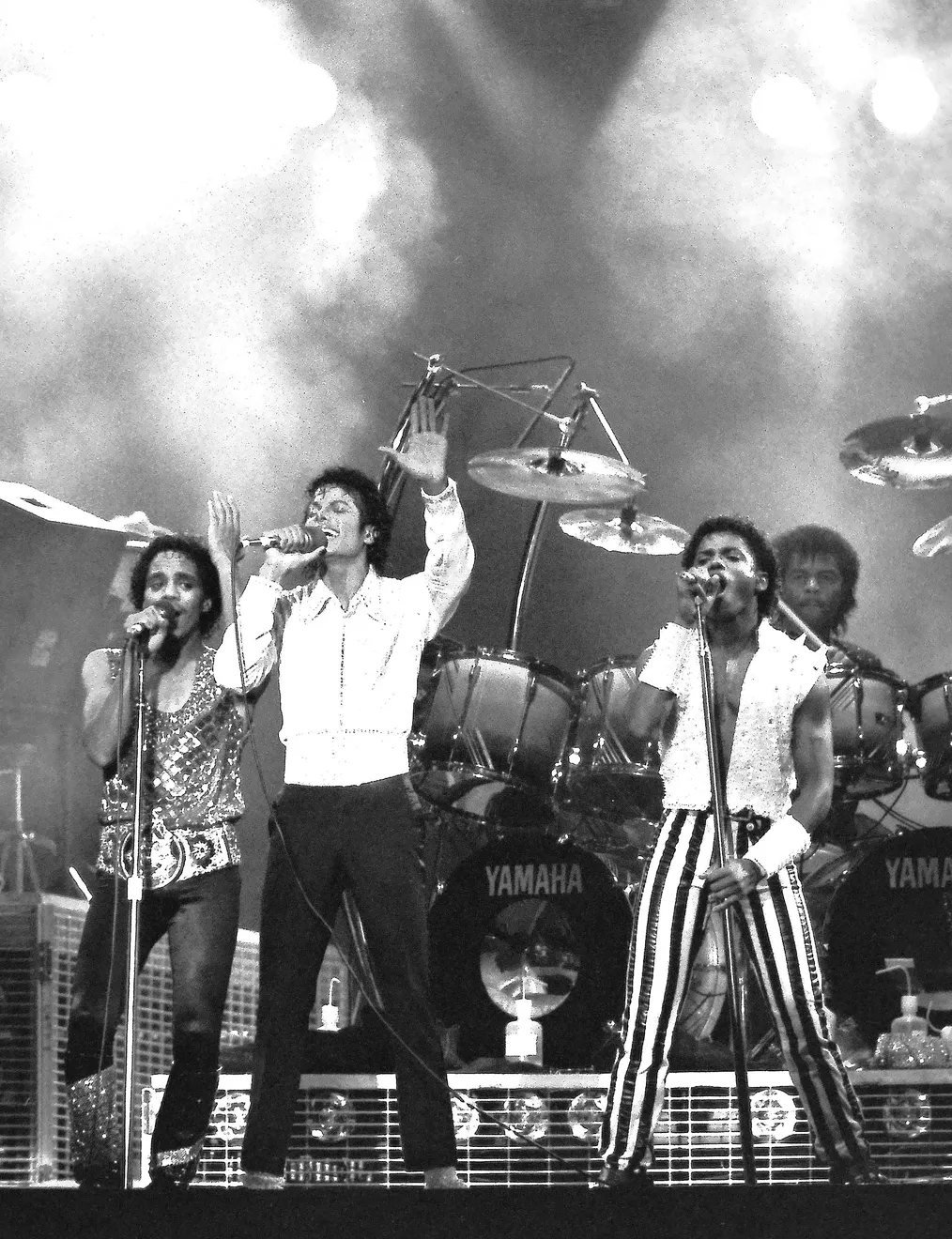
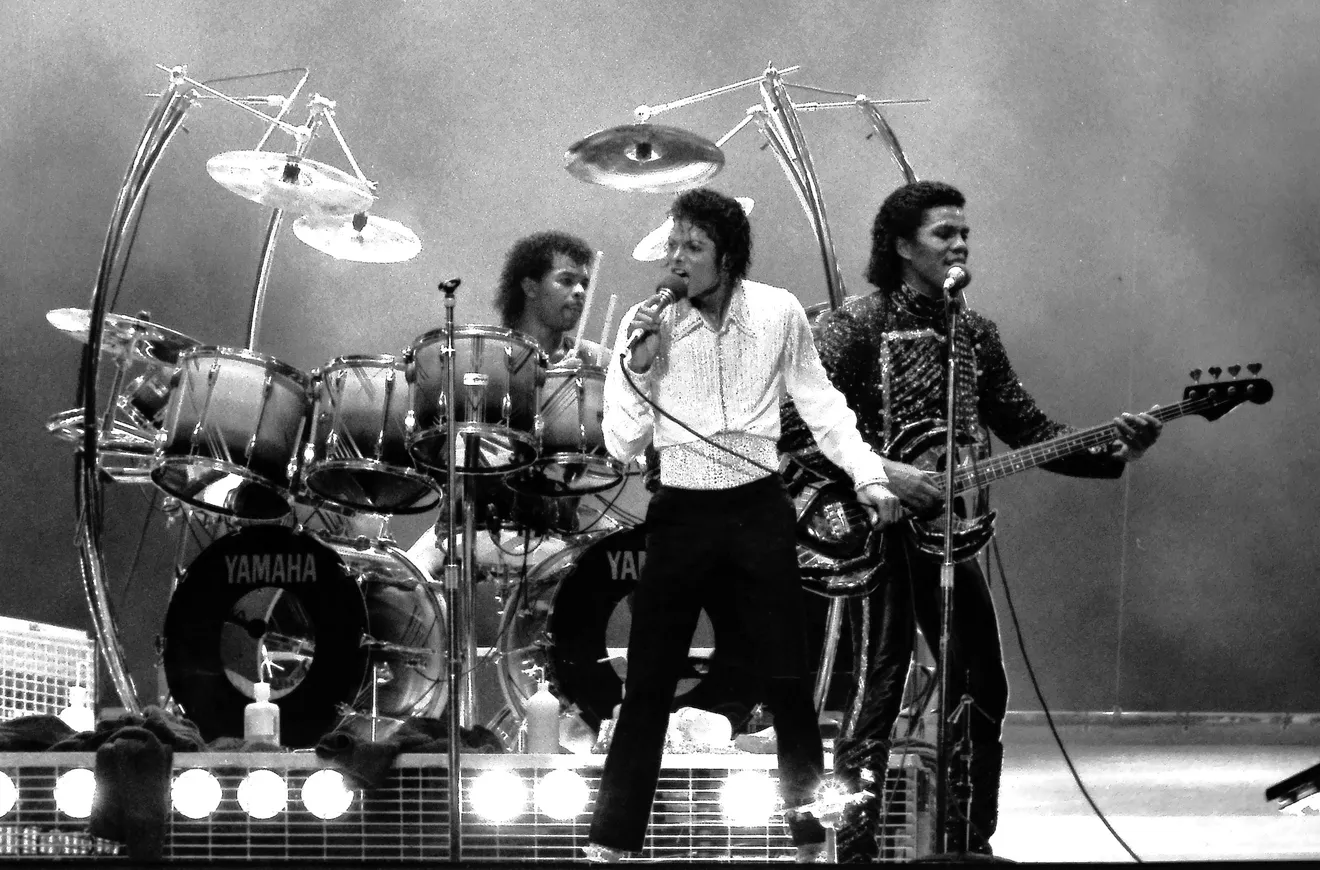
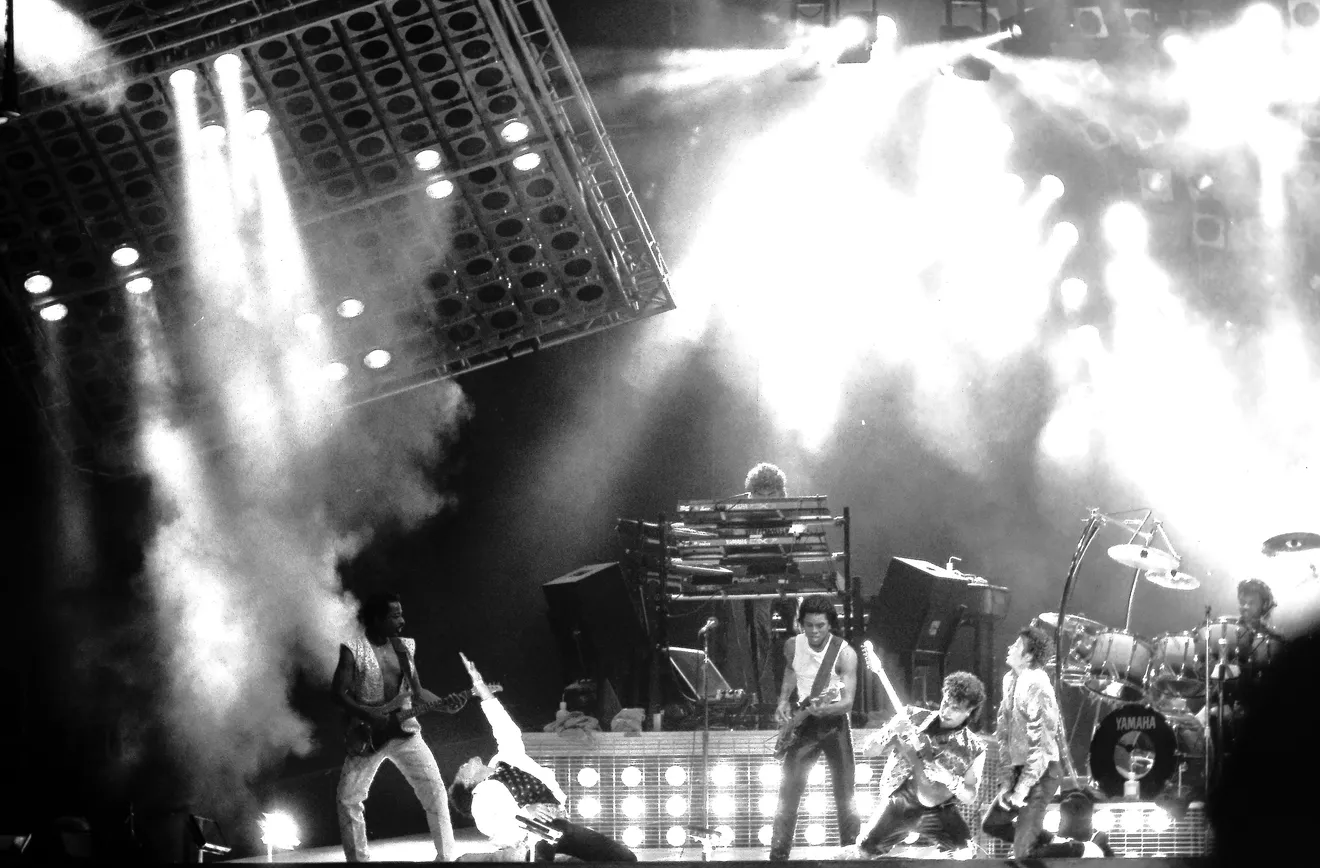
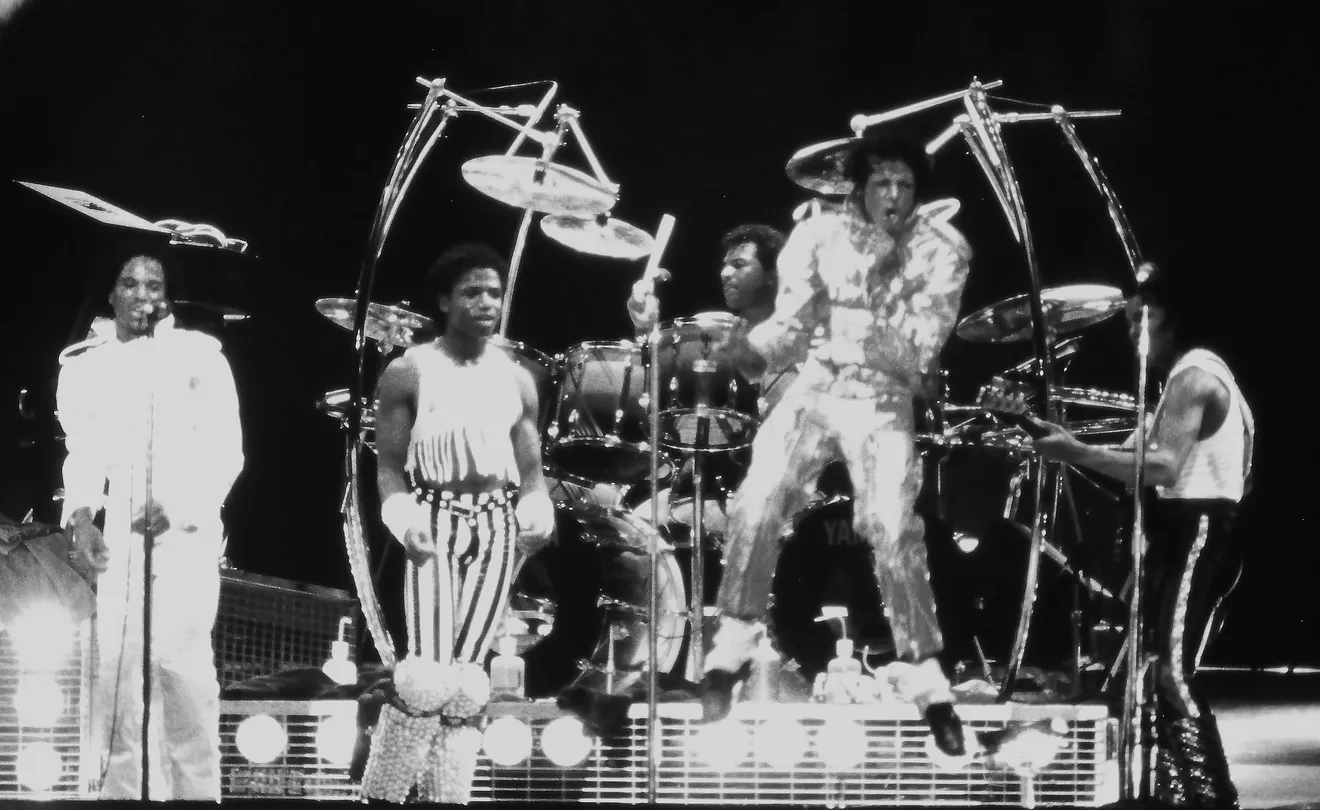
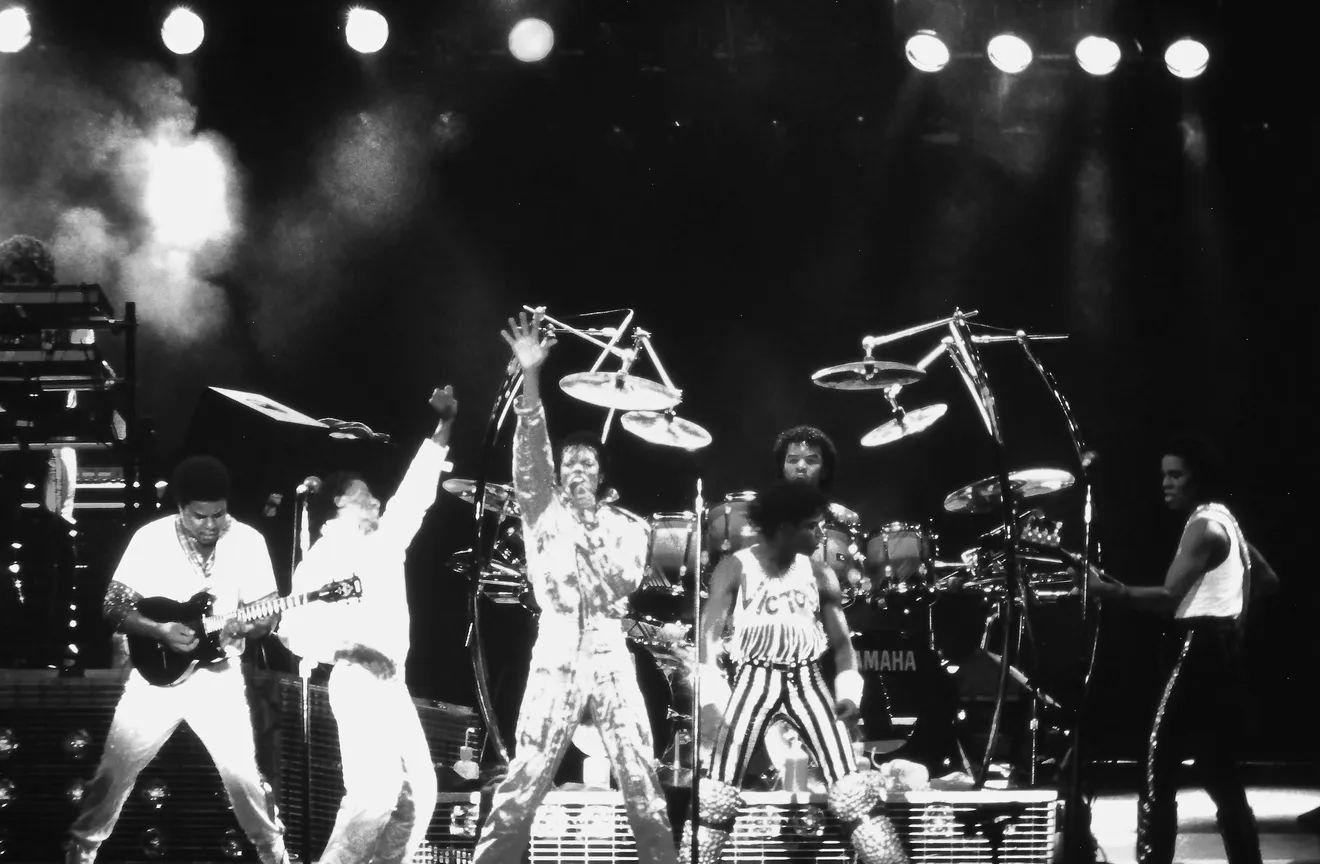
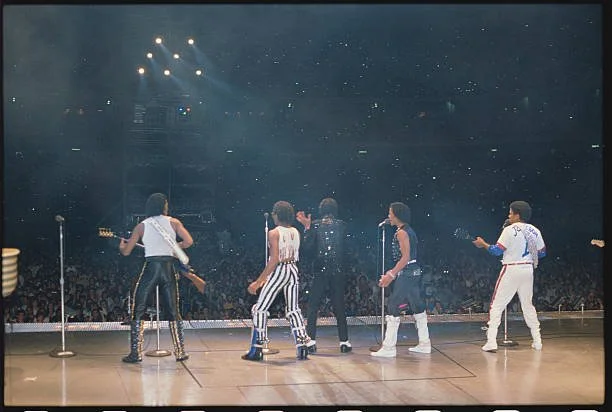
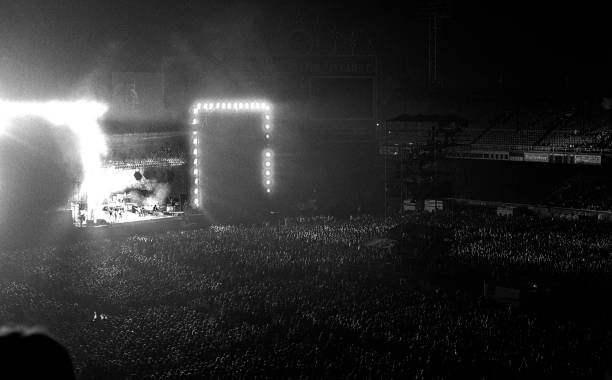
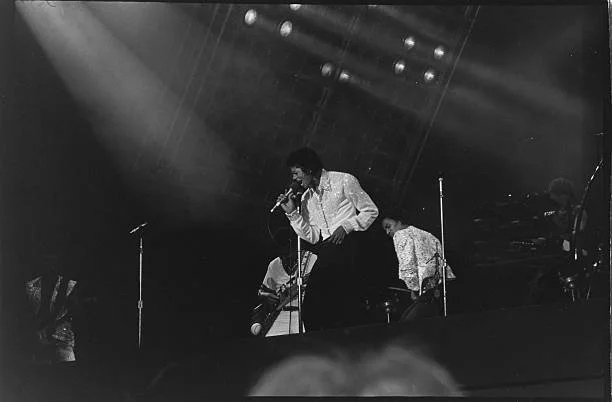
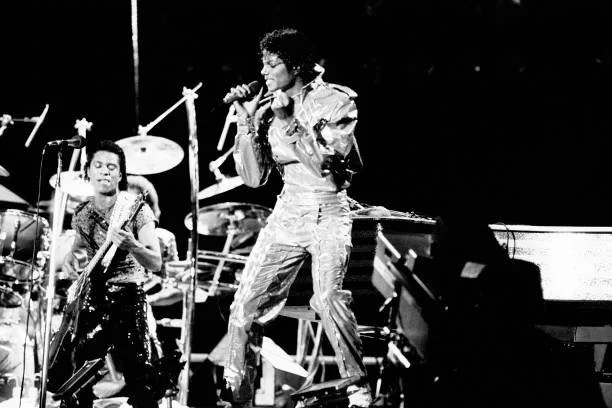
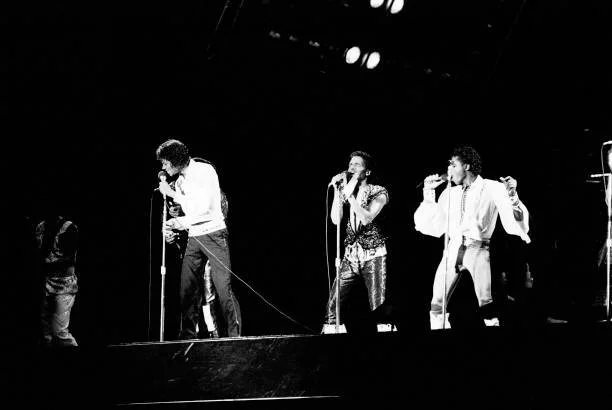
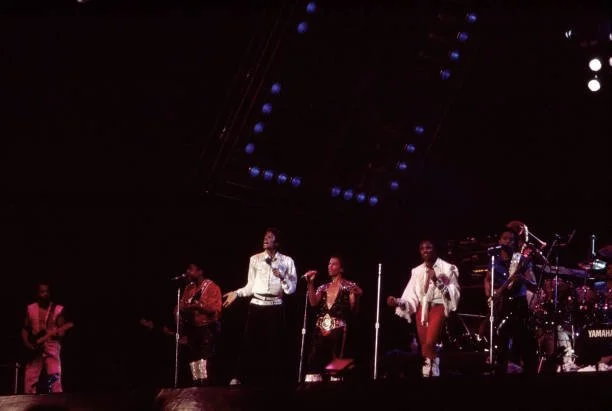
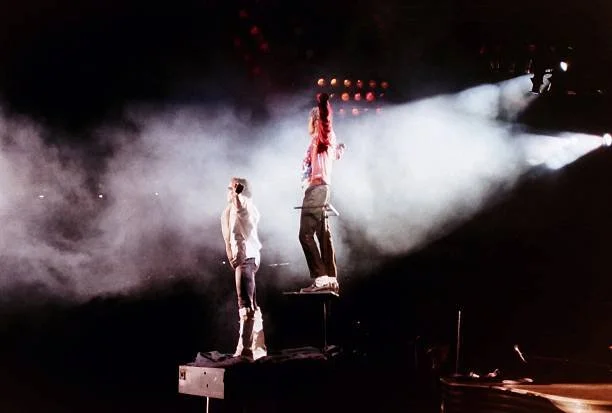
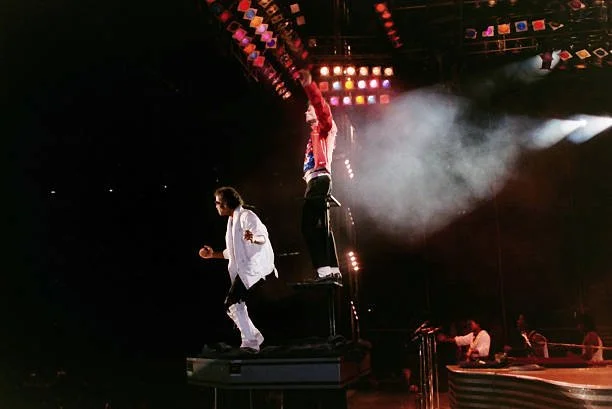
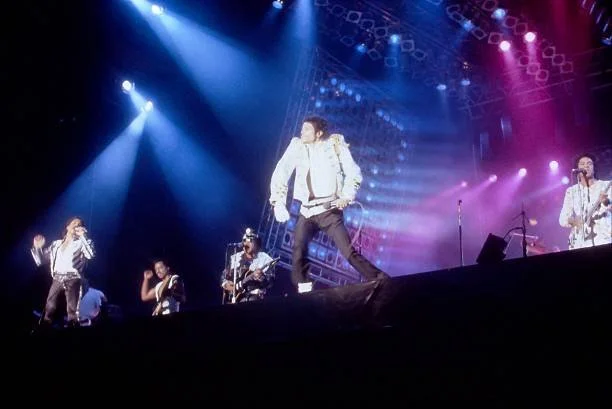
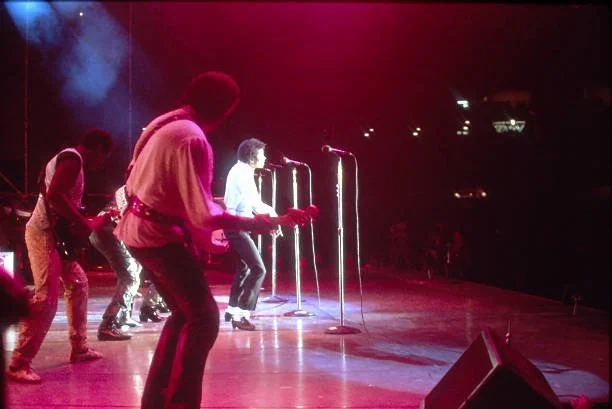
A defining feature of the Victory Tour was its unprecedented production scale. Mountain Productions played a central role in delivering one of the largest stadium touring stages of its era.
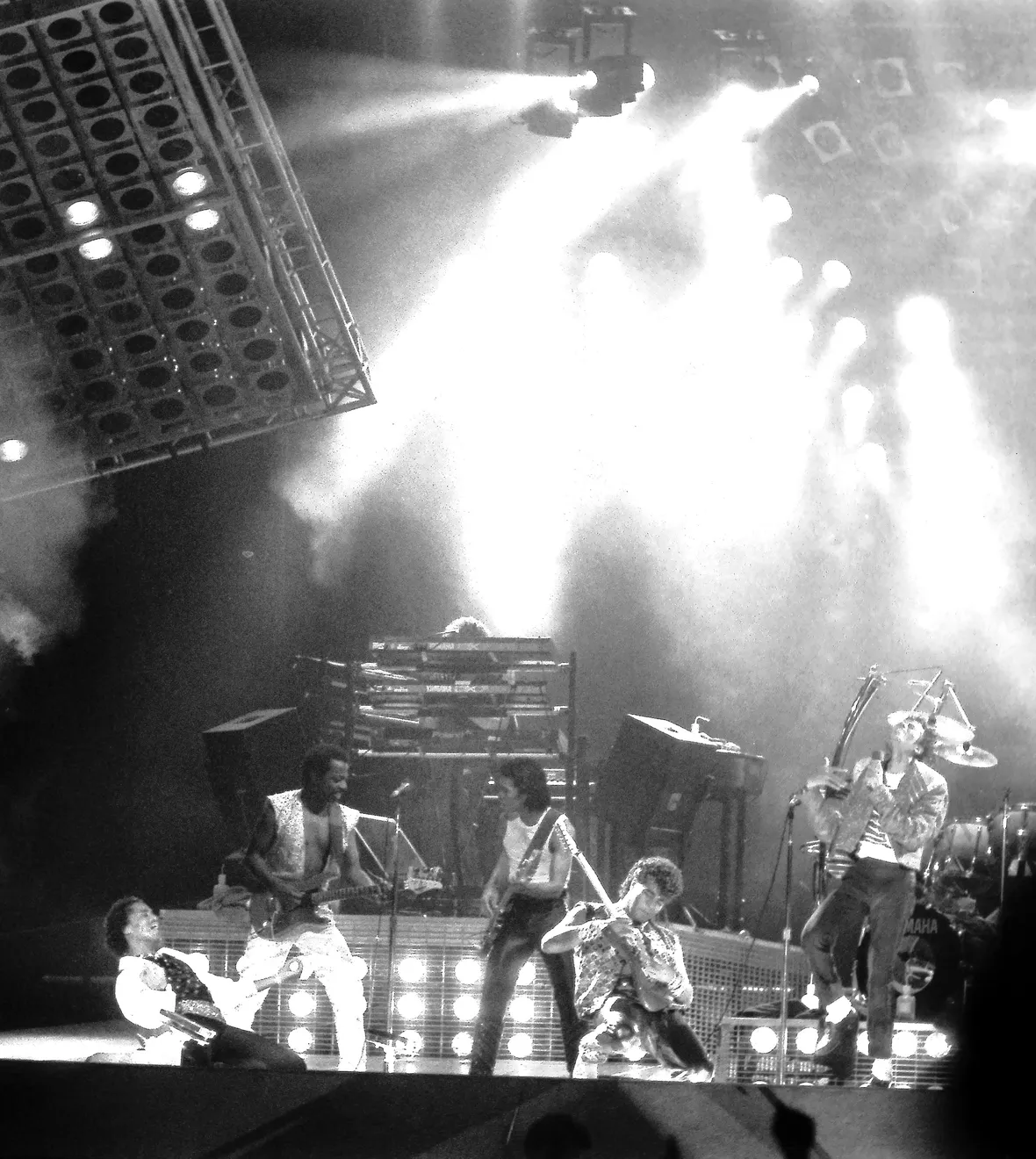
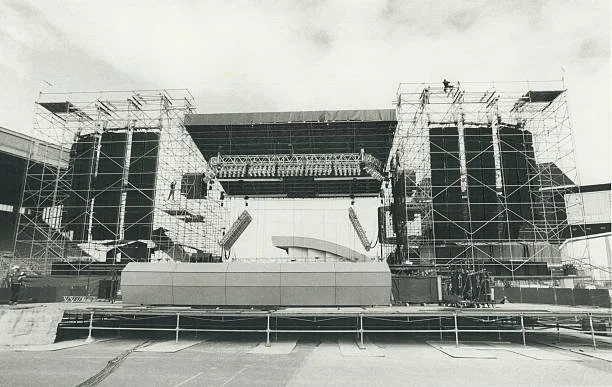
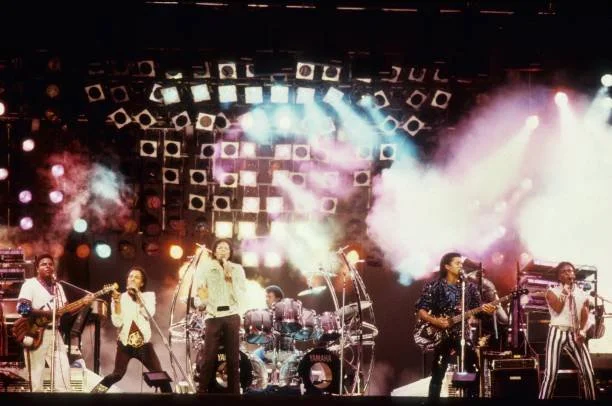
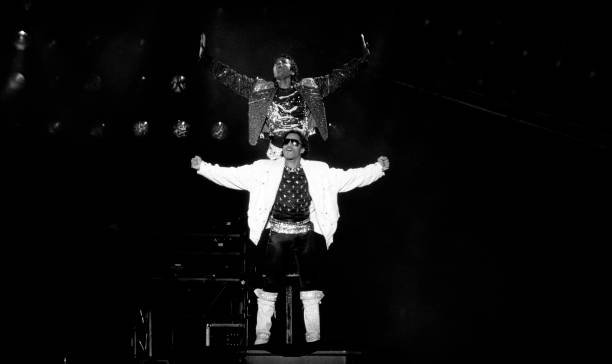
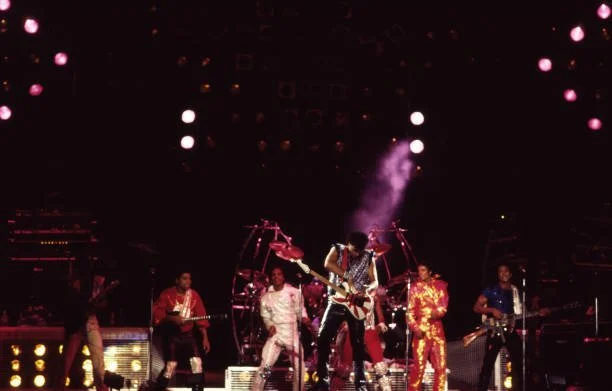
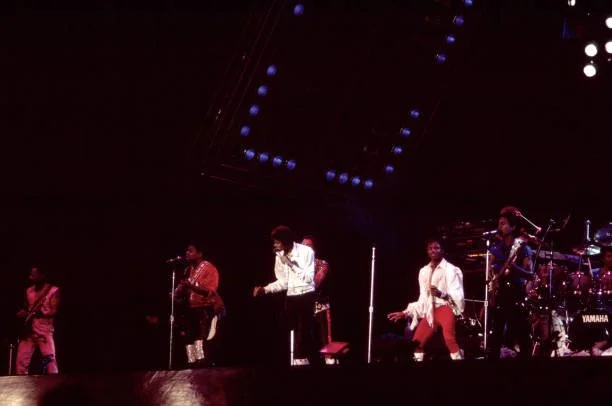
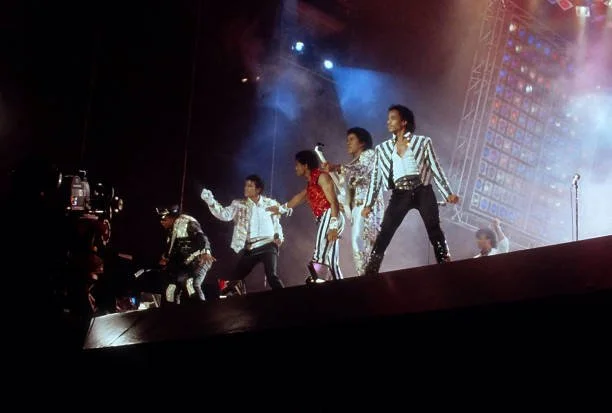
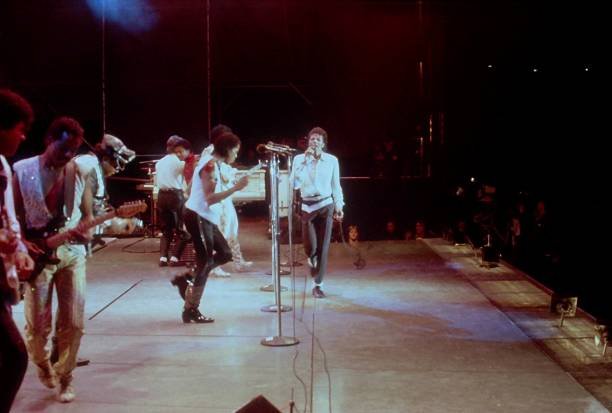
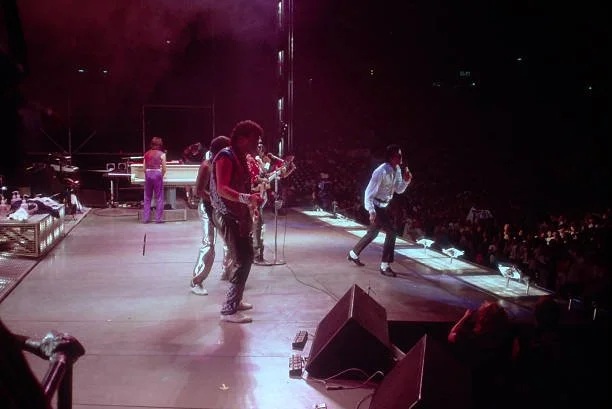
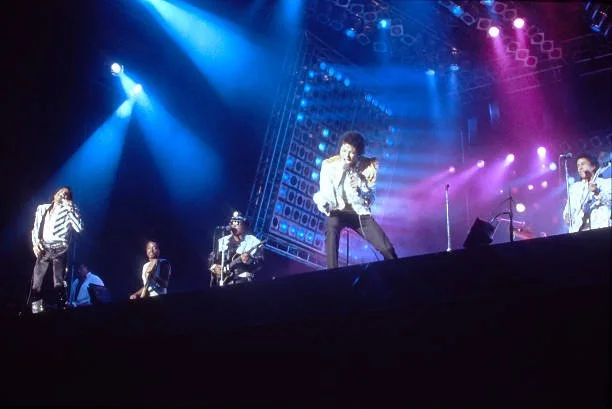
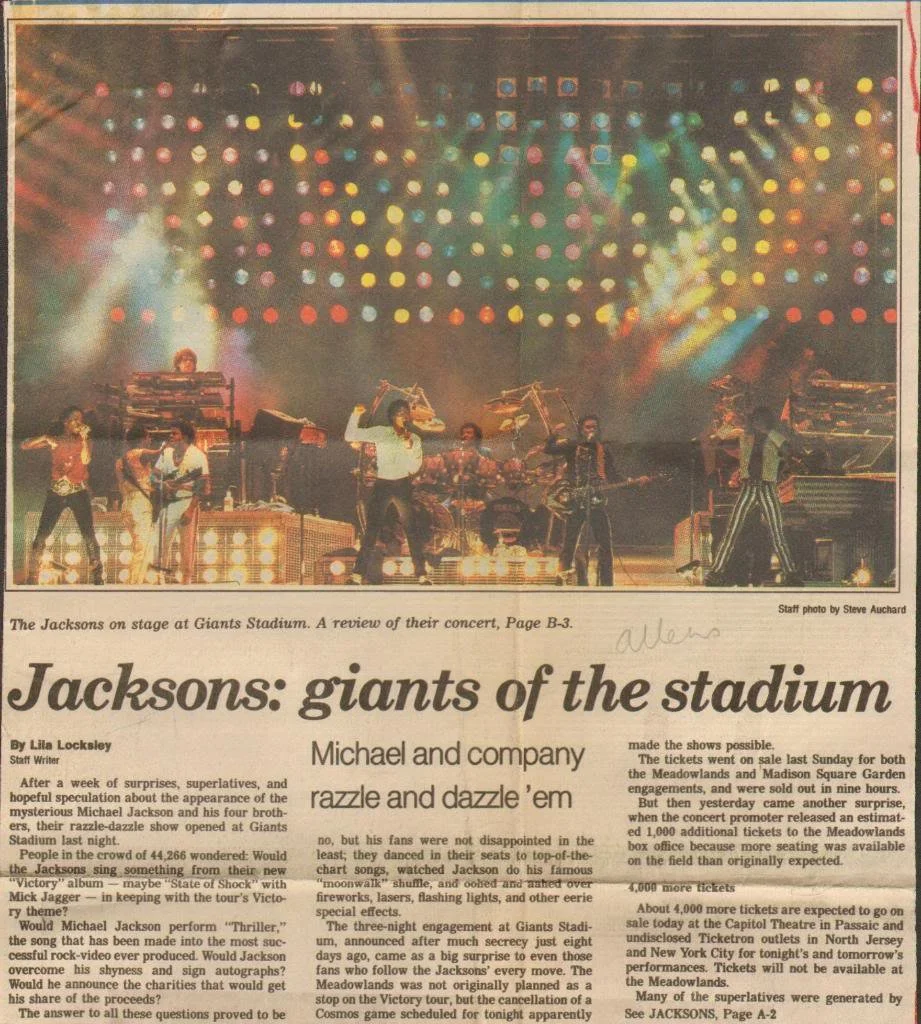
The Victory Tour stage spanned nearly one third of a football field and weighed approximately three hundred sixty five tons. Mountain Productions was responsible for fabricating, transporting, and installing the touring stage system across more than fifty stadium performances. The build required extensive steel truss construction, custom rigging, and precise load engineering to meet the demands of NFL venues across North America.
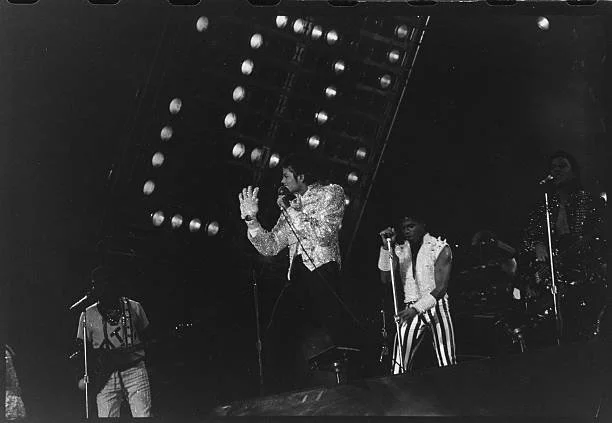
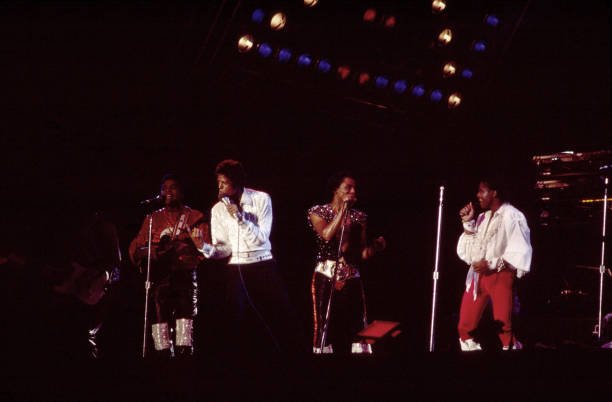
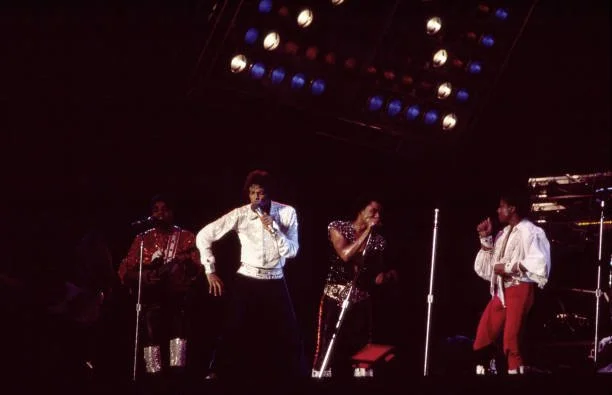
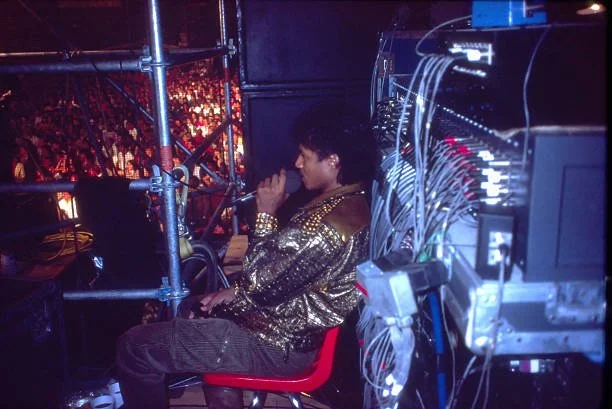
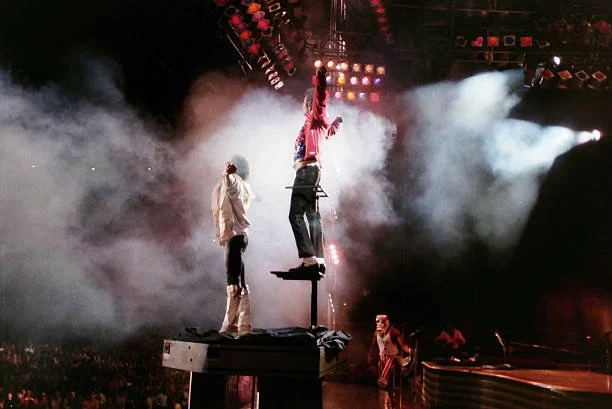
The stage featured expansive lighting grids, large scale scenic elements, and early stadium video components that pushed touring technology well beyond industry norms of the time. Moving the structure required more than thirty tractor trailers per city, with complex overnight load ins and load outs to maintain the tour schedule.
Because of the massive footprint, seating configurations had to be reworked at many venues, sometimes eliminating up to a quarter of available seats. Despite these challenges, Mountain Productions delivered consistent, safe, and visually striking builds city after city. The Victory Tour became an early blueprint for modern industrialized stadium touring and a defining chapter in Mountain Productions history.
“The Victory Tour marked the moment when stadium concerts shifted from large shows to fully industrial scale productions.”